Ecorys at the First Conference on Transitioning Away from Fossil Fuels in Santa Marta, Colombia
From 24 to 29 April 2026, policymakers, researchers, civil society, local communities, representatives of the private sector and international organisations gathered in Santa Marta, Colombia, for the first Conference on Transitioning Away from Fossil Fuels. Positioned between COP30 and COP31, the conference aimed to sustain political momentum and promote inclusive pathways for a global, science-based, just transition away from fossil fuels.
The Santa Marta conference took place at a critical moment in the international climate process, following COP30 and ahead of COP31, to strengthen coherence between political commitments, scientific evidence and social inclusion. The programme included an Academic Dialogue, a People’s Summit for a Fossil‑Free Future, ministerial and parliamentary discussions, trade unions convenings, a private sector roundtable, concluding with two days of high‑level segments, all focused on the economic, social, scientific and political dimensions of phasing out fossil fuels.
A strong emphasis was placed on the participatory and co‑creative nature of the process, ensuring that both written and in‑person contributions were meaningfully integrated throughout. Voices from Indigenous Peoples, Afro‑descendant Peoples, rural communities, frontline collectives and youth were brought together with inputs from NGOs, academia, subnational governments, national authorities, workers, parliamentarians, private sector actors and others. These contributions were synthesised by each group and formally conveyed to countries during the high‑level segment, with summaries made available online.
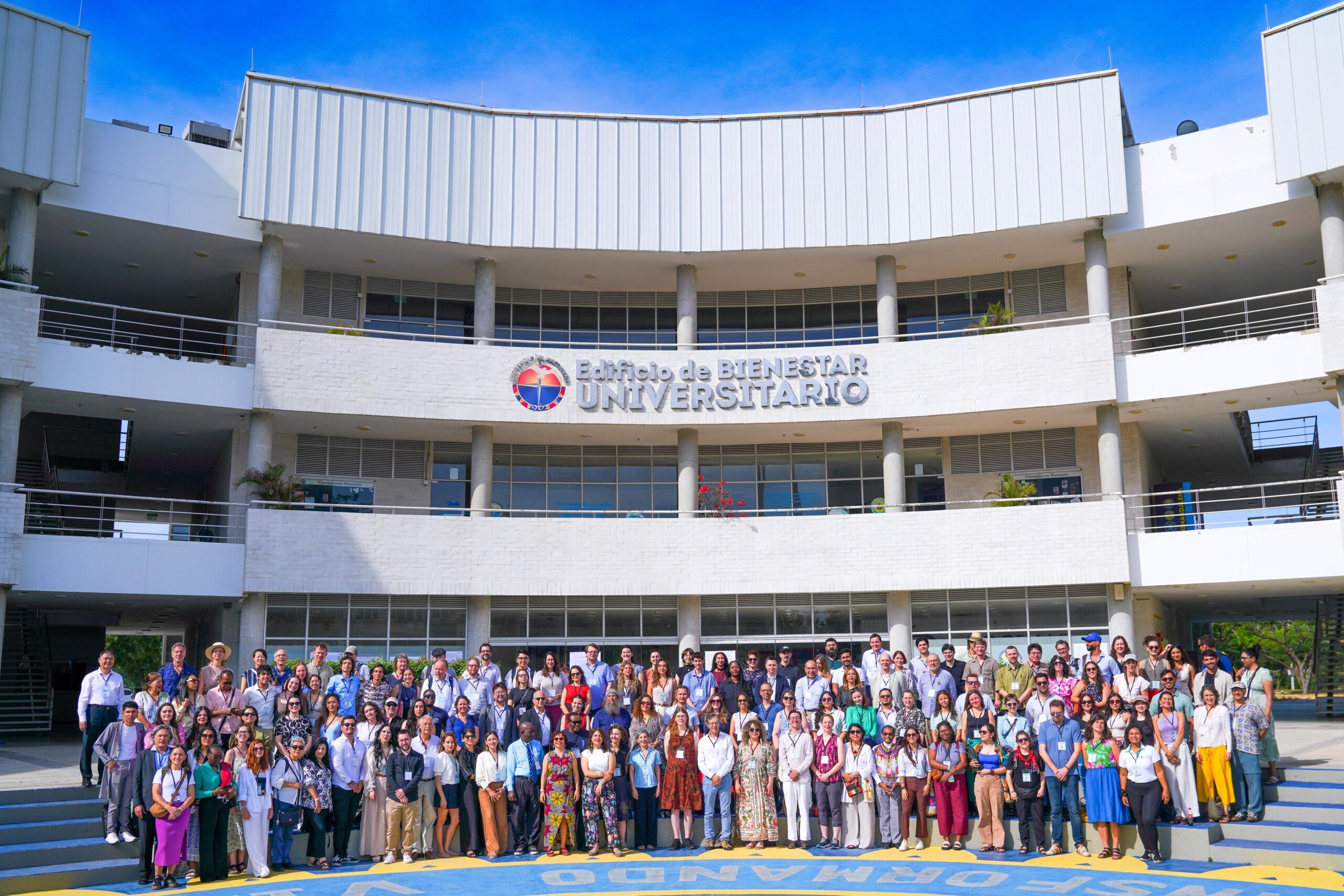
Official photo of the Academic Dialogue participants. Credit: Ministerio de Ambiente de Colombia / Flickr
What did the conference deliver?
The conference resulted in several concrete outcomes designed to ensure continuity and impact beyond Santa Marta. Tuvalu and Ireland were announced as co‑hosts of a second conference to be held in the Pacific in 2027. A coordination group was established to maintain momentum across future conferences and initiatives, while also ensuring alignment with the UNFCCC framework.
Three dedicated workstreams will be launched, focusing on:
- Developing a roadmap for the transition away from fossil fuels;
- Addressing macroeconomic dependencies and financial architecture;
- Strengthening producer-consumer alignment in fossil fuel transition pathways.
In addition, the Science Panel for the Global Energy Transition (SPGET) was officially launched, to support countries and governments in moving away from fossil fuels. It will help develop 1.5°C-aligned roadmaps and address legal, financial, and political barriers.
Ecorys’ contribution
Ecorys was invited by Climate Strategies to contribute to the Academic Dialogue, by presenting its work on just energy transition. The presentation provided analytical insights and practical approaches to addressing the social and economic impacts of fossil fuel phase‑out, with a focus on Ecorys’ experience in the EU. These included lessons learned from leading the Secretariats of the Initiative for Coal Regions in Transition in the EU and in the Western Balkans and Ukraine, as well as the Secretariat of the Just Transition Platform, all Initiatives’ Secretariats managed on behalf of the European Commission.
The session focused on strengthening the link between international support and national implementation of just transition processes. Ecorys presented its approach alongside concrete examples from the ground, including technical assistance for coal regions, facilitation of working groups, peer‑to‑peer exchanges, and the delivery of events and communication activities.
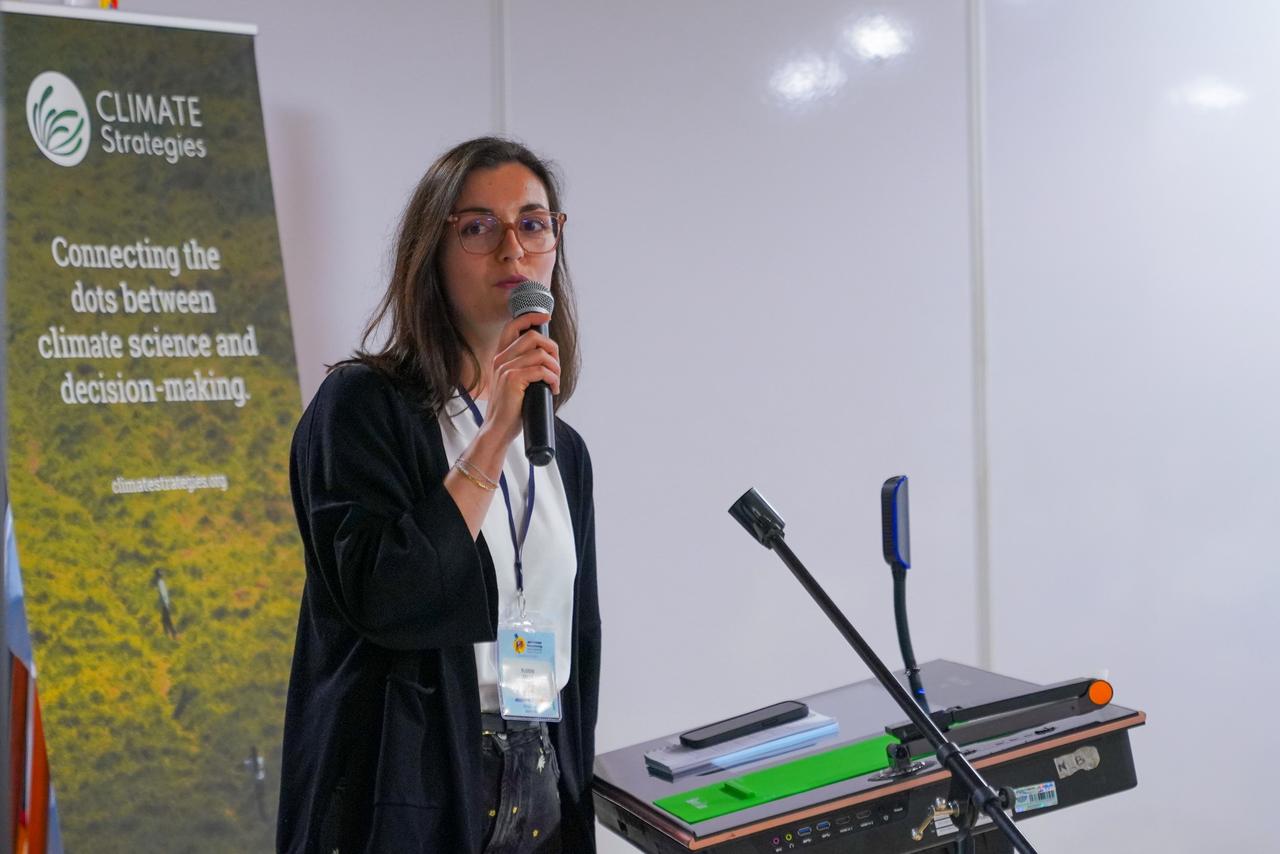
Our colleague Elodie Salle presenting Ecorys’ work on the just energy transition at the Academic Dialogue in Santa Marta. Credit: Ministerio de Ambiente de Colombia / Flickr
Key reflections from Santa Marta
Discussions in Santa Marta highlighted significant progress and encouraging developments, while also identifying a number of remaining challenges that will need to be addressed going forward. Concerns were raised about the underrepresentation of Asian and African stakeholders, especially from civil society organisations, pointing to the need for stronger geographical balance and broader global ownership of the process. Limited participation from private sector actors, including industry and financial institutions, also constrained discussions on implementation and financing. At the same time, while the risk of fragmentation of efforts alongside the UNFCCC process was acknowledged, participants also viewed the diversity of initiatives as a strength, helping advance the transition from different and complementary fronts when effectively coordinated.
“After years stuck in endless debates about whether to phase out fossil fuels, finally we are focusing on the how. We are no longer fighting for recognition of the problem, but creating solutions. It’s like watching a dam break – all that pent-up experience, knowledge and passion suddenly flowing into concrete ways to phase out dirty fuels. The hope is contagious.” – Tzeporah Berman, founder and chair of the fossil fuel non-proliferation treaty initiative.
Despite these challenges, the conference successfully maintained political momentum and visibility on the transition away from fossil fuels. Science and research were placed firmly at the centre of discussions, providing the foundation for the development of national roadmaps for phasing out fossil fuels. Inclusiveness was a defining feature of the conference, with strong attention to the voices of workers, women, Indigenous Peoples, Afro‑descendant communities, youth and other marginalised groups, alongside continuity with the COP30 presidency. Numerous side events and informal exchanges further supported collaboration and knowledge sharing among participants.
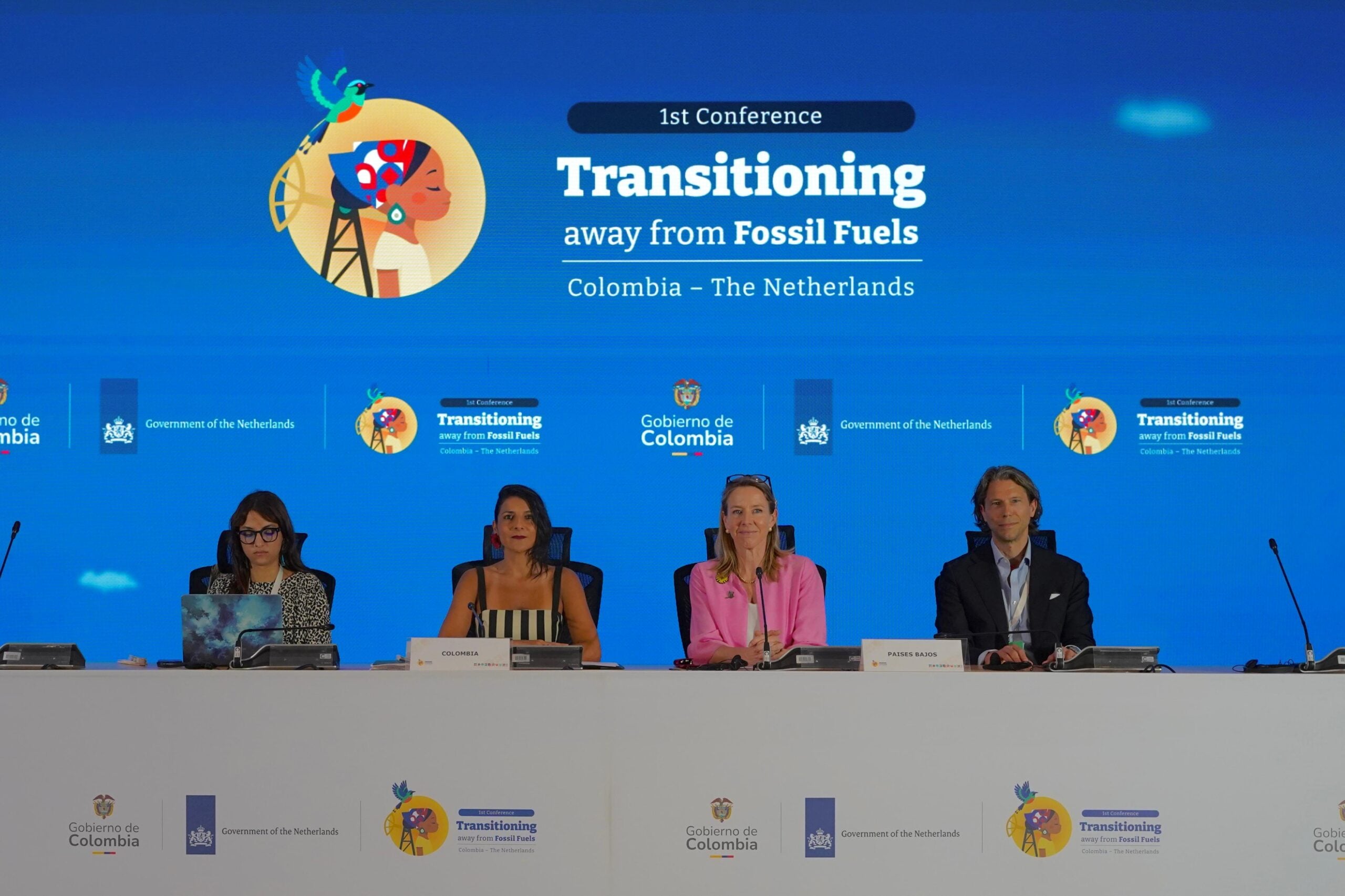
The Ministry of the Environment of Colombia and the Netherlands at the High-Level Segment of the conference. Credit: Ministerio de Ambiente de Colombia / Flickr
Learn more
To find out more about Ecorys’ work on supporting people-centred and evidence‑based transition, visit our Just Transition project page.
20 May 2026
5 minute read