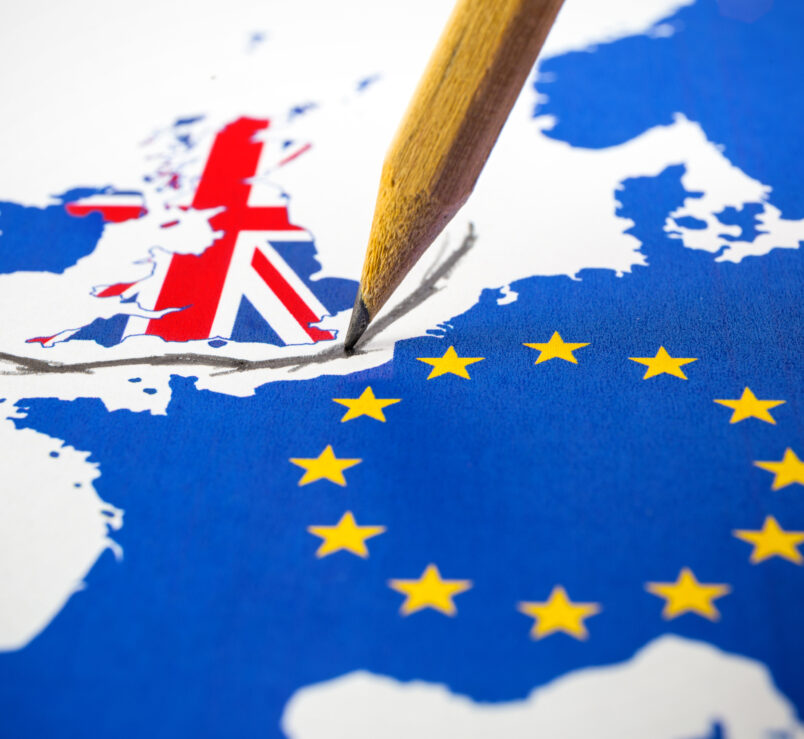
Scoping study on the effects and opportunities of Brexit
Following the UK’s withdrawal from the European Union on 1 January 2021, Dutch businesses (particularly in the agricultural sector) faced new trade requirements, increased administrative burdens, and shifts in market dynamics.
These developments have affected trade flows and, for many companies, resulted in reduced turnover. To support sectors most impacted by Brexit, the Netherlands Enterprise Agency (Rijksdienst voor Ondernemend Nederland (RVO)) sought evidence to inform a targeted trade programme funded through the Brexit Adjustment Reserve (BAR).
Ecorys conducted a scoping study to identify where Brexit impacts have been most significant and where opportunities for recovery and internationalisation remain. The study had three core objectives: to determine which Dutch sectors, with a particular focus on fruits and vegetables, were most adversely affected; to analyse detailed impacts within the most affected sectors; and to map the companies involved.
The approach combined economic data analysis, assessment of additional indicators of Brexit exposure, and a review of current and planned UK policies that may influence competitive conditions. This included a detailed examination of 10–15 highly affected sectors, ultimately narrowing down the five to seven sectors most relevant for targeted support.
The results provide a clear evidence base to guide RVO’s design of a trade support programme that helps Dutch companies adjust to postBrexit realities and strategically reposition themselves in international markets.
The project ran from November 2021 to May 2022.
For more information, please contact Alexander.Boisseau@ecorys.com
12 May 2026
1 minute read